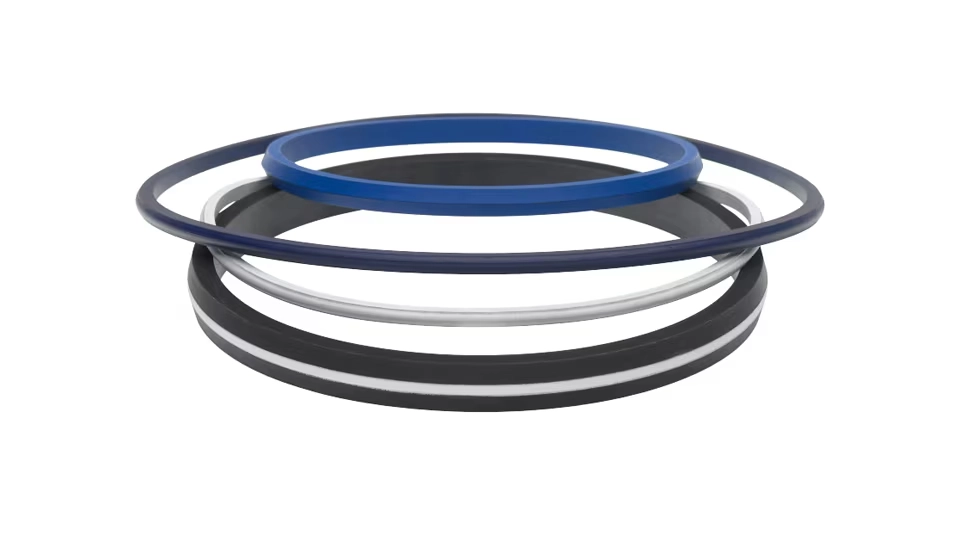
Fluorosilicone Gaskets (FVMQ)
Fluorosilicone (FVMQ) is a specialty elastomer that combines the wide temperature range and flexibility of standard silicone with significantly improved resistance to fuels, oils, and hydrocarbon-based solvents. FVMQ gaskets and o-rings perform reliably from -75°F to +400°F (intermittent to +450°F in dry heat), making them the material of choice wherever petroleum products and temperature extremes intersect. Fluorosilicone also maintains excellent resistance to ozone, weathering, and compression set over long service life.
Gasket and Seal Fabricators is a trusted fluorosilicone gasket manufacturer, delivering precision-fabricated FVMQ sealing solutions for the most demanding applications. From prototype to production, every order is manufactured to your exact specifications with competitive pricing, fast turnaround, and the technical support to help you select the right material for the job.
Custom Fluorosilicone Gaskets for Critical Applications

High-Performance Fluorosilicone
We supply custom fluorosilicone gaskets and FVMQ o-rings in a range of thicknesses, durometers, and configurations using die cutting, flash cutting, and waterjet cutting. Solid fluorosilicone sheet is available from .020″ to .500″ thick, with hardness typically ranging from 40 to 70 Shore A. O-rings are available in standard AS568 and metric sizes. Because fluorosilicone has relatively low tear strength and limited abrasion resistance, FVMQ seals are generally recommended for static sealing applications. All products are available with or without pressure-sensitive adhesive (PSA) backing, and fluorosilicone compounds offer an unlimited shelf life when stored properly.
Military & Aerospace Fluorosilicone
Fluorosilicone is a go-to material for aerospace and defense sealing, where resistance to jet fuels, hydraulic fluids (such as Skydrol and PAO), and extreme temperature swings is non-negotiable. We supply mil-spec fluorosilicone gaskets and o-rings fabricated from compounds certified to applicable military specifications. Common applications include fuel system gaskets, quick-connect fuel line seals, turbocharger seals, avionics enclosure gaskets, and sealing components for ground vehicles and weapons systems. Our materials and processes support the traceability and documentation requirements of defense and aerospace programs.
Fluorosilicone Sponge (Closed-cell)
Closed-cell fluorosilicone sponge delivers the chemical resistance of solid fluorosilicone with significantly lower closure force, making it ideal for lightweight enclosures and applications with limited clamping load. The closed cell structure provides effective environmental sealing against moisture, dust, and fluids without requiring high compression. Fluorosilicone sponge is available in thicknesses up to .125″, with bonded laminations available up to .500″ for applications that require additional gasket depth.
Conductive Fluorosilicone (EMI/RFI Shielding)
For applications requiring both fuel resistance and electromagnetic shielding, conductive fluorosilicone gaskets provide effective EMI/RFI attenuation while withstanding prolonged exposure to jet fuels, solvents, and harsh operating environments. These gaskets are filled with conductive particles (such as silver-plated aluminum, nickel-coated graphite, or nickel-coated aluminum). Conductive fluorosilicone is widely specified in avionics, defense electronics, and telecommunications enclosures where MIL-DTL-83528 compliance is required.
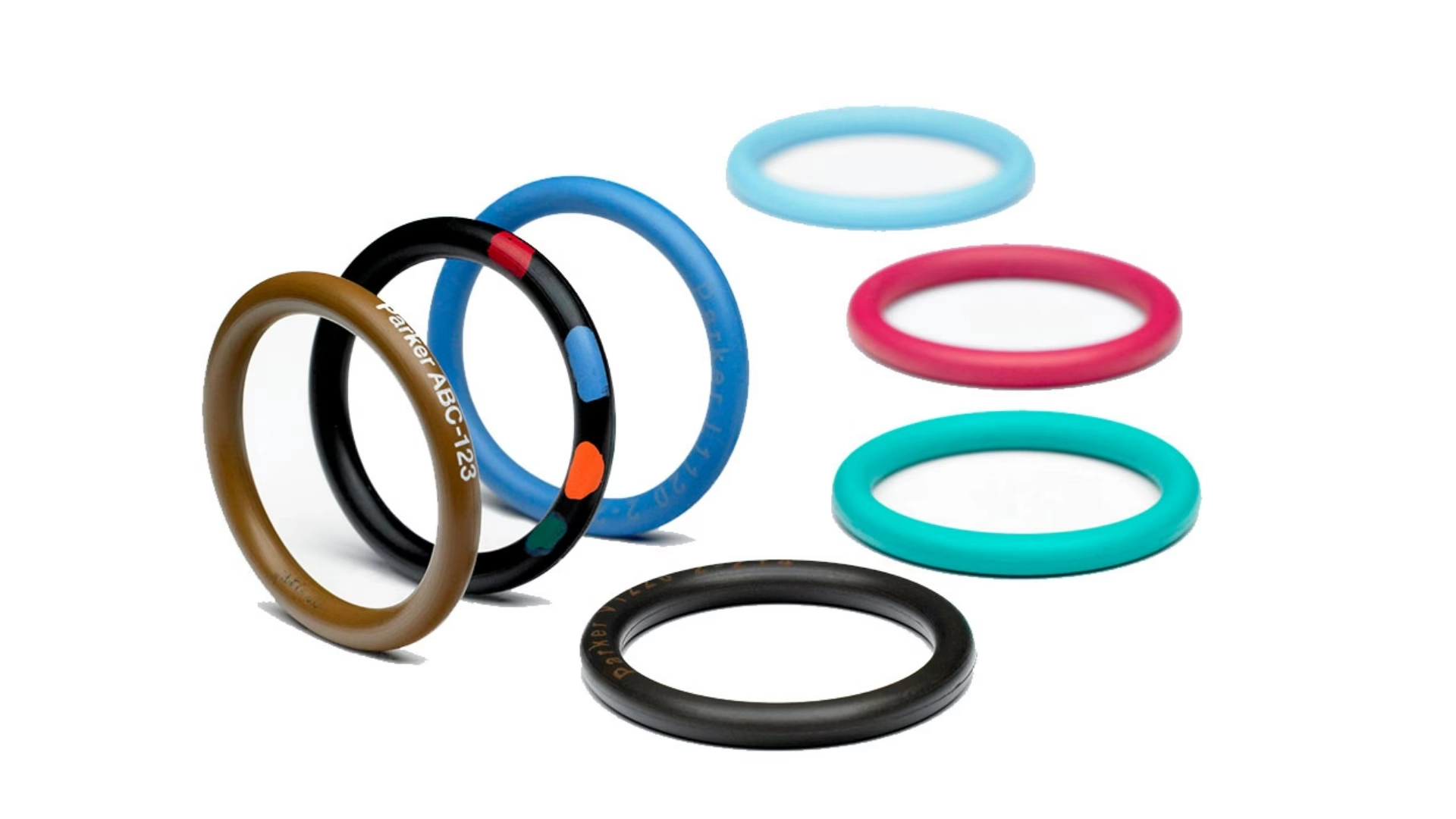
Fluorosilicone Material Properties at a Glance
- Temperature Range: -75°F to +400°F (intermittent to +450°F)
- Hardness (Durometer): 40 – 70 Shore A (standard)
- Chemical Resistance: Excellent (fuels, oils, hydrocarbon solvents)
- Ozone & Weather Resistance: Excellent
- Compression Set Resistance: Good to Excellent
- Abrasion Resistance: Poor (static applications recommended)
- Shelf Life: Unlimited (when stored properly)
When To Choose Fluorosilicone (FVMQ) vs Silicone (VMQ)
Standard silicone (VMQ) and fluorosilicone (FVMQ) share similar mechanical and physical properties. Both offer excellent compression set, a wide operating temperature range, and strong resistance to ozone, UV, and weathering.
The key difference is chemical resistance. Fluorosilicone contains trifluoropropyl groups that give it significantly improved resistance to fuels, mineral oils, and hydrocarbon solvents that would cause standard silicone to swell or fail.
In return, FVMQ has slightly reduced hot air resistance compared to VMQ. Choose fluorosilicone when your application involves contact with petroleum-based fluids and still demands the low-temperature flexibility and environmental durability that silicone is known for.

One Call, Complete Solutions
Talk to our technical team about choosing the right material grade, fabrication options, and pricing for your project.